
Key Takeaways
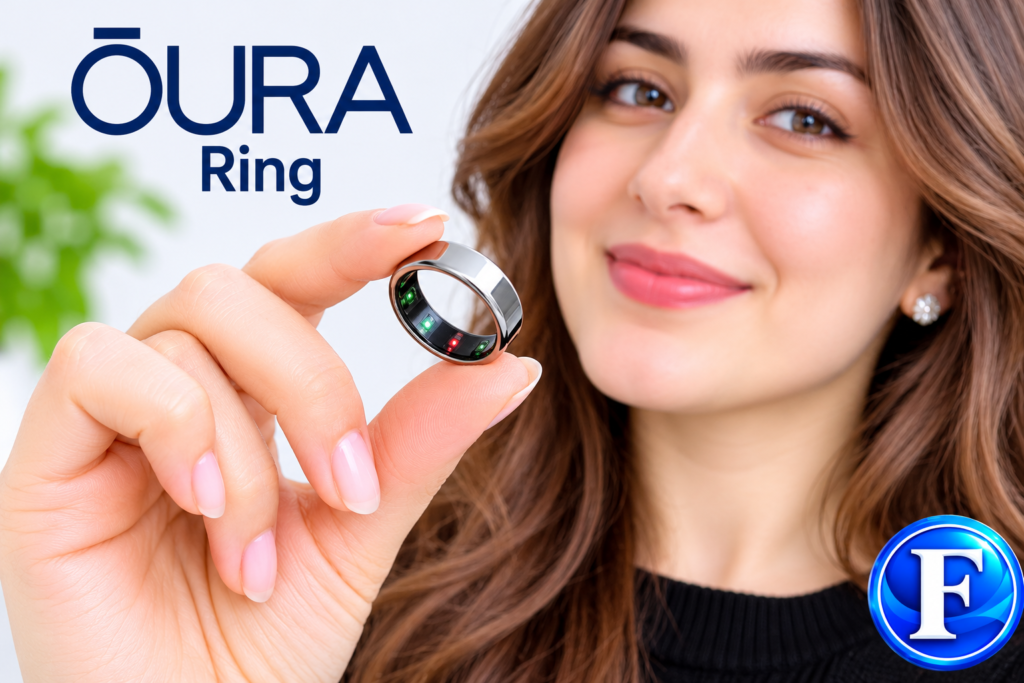
- Is Oura Ring waterproof? Oura describes its latest rings as waterproof up to 100 meters with an IP68 rating, which covers showers, swimming, hot tubs, saunas, and ice baths.
- Strictly speaking, no consumer device is permanently invulnerable. “Waterproof” here means highly water resistant under tested conditions, so care habits still matter.
- The rating comes from laboratory testing in still, fresh water. Chlorine, salt, soap, heat, and moving water can be more demanding in real life.
- Standard soaps, shampoos, and body washes will not damage the ring, but bleach, chlorine-based cleaners, and abrasive scrubs can wear down the finish.
- The charging dock is not waterproof. Never place a wet ring on it, and dry both the ring and your finger first.
- The ring is built for everyday and recreational water use, not deep or high-pressure exposure, such as pressure washers aimed at it for long periods.
- Water resistance is not damage coverage. Scratches and wear are not covered by the warranty.
Introduction
When you spend money on a smart ring that tracks sleep, recovery, and activity around the clock, water is the first worry. You wash your hands, shower, swim, soak in a hot tub, or sit in a sauna, and taking the ring off every time defeats the purpose of continuous tracking.
That is why “is Oura Ring waterproof” is one of the most common questions from new and prospective owners. The word “waterproof” appears in the manufacturer’s own material, while independent reviewers point out that the more precise term is water resistant. Forum threads add confusion, with some owners wearing the ring through everything and others removing it out of habit.
This article is for current and prospective Oura Ring owners who want a clear, evidence-based answer. It explains what the rating means, which water activities are supported, how to look after the ring, and which mistakes to avoid, with attention to recent generations such as Ring 4 and Ring 5.
Disclaimer: This article is for general information only and does not replace the manufacturer’s official instructions. Water resistance ratings describe laboratory test conditions and are not permanent or guaranteed for a product’s whole life. Ratings and care guidance can vary by model and generation and may change, so check the documentation for your specific ring. Water damage may not be covered by warranty, and this article cannot guarantee any outcome.
Main Analysis: Is Oura Ring Waterproof?
The short answer
Yes, for practical purposes. Oura states that its latest generation is waterproof up to 100 meters (about 328 feet) and rated IP68. Its care guidance says you can safely wear the ring in the shower, hot tubs, saunas, ice baths, and cryotherapy tanks. An independent review also reports that Ring 5 keeps the same IP68 rating as Ring 4, despite a smaller form factor, with both rated to 100 meters. If you own an older generation, check the documentation that came with it.
Waterproof or water resistant?
The two terms get mixed up, and the difference matters:
- Waterproof suggests complete and permanent protection, which no consumer electronic device can promise indefinitely.
- Water resistant means the device is built to withstand water under specified conditions.
Oura’s marketing uses “waterproof,” while some independent reviewers prefer “highly water resistant.” Both describe the same rating. The practical lesson is the same either way: the ring is built for water, and good care extends how long it stays that way.
What IP68 and 100 meters mean
Ingress Protection ratings follow an international standard that grades protection against dust and liquids:
- The 6 means complete protection against dust.
- The 8 means the device can withstand continuous submersion beyond one meter, under conditions set by the manufacturer. For this ring, that is up to 100 meters.
To put 100 meters in perspective, a standard Olympic pool is about two meters deep, and recreational scuba diving typically reaches roughly 18 to 40 meters. Everyday water exposure uses a tiny fraction of that rating.
The fine print on testing
IP ratings are tested in still, fresh water under controlled lab conditions. Real life includes chlorinated pools, salt water, soap, heat, and moving water. Oura notes that prolonged or repeated exposure to harsh water conditions may still affect the ring over time. This is why rinsing and drying are recommended even though the ring is robust.
Is Oura Ring Waterproof for Showers, Pools, and Saunas?
Showering. Yes. Oura says you can wear the ring in the shower, and standard soaps, shampoos, and body washes will not damage it. Rinse the ring and dry your finger afterward so residue does not irritate your skin or interfere with the sensors.
Washing hands and doing dishes. Yes. Soap and warm water are fine. For heavy cleaning with strong household chemicals, take the ring off or wear gloves.
Swimming. Yes. The ring is designed for swimming, and it can detect swim activity automatically. Rinse it with fresh water after pools and beaches, because chlorine and salt are tougher on materials than plain shower water.
Hot tubs and saunas. Yes. Oura says the ring holds up to the heat and humidity of dry saunas and hot tubs. Its operating range is -10 to 52 degrees Celsius (14 to 125 degrees Fahrenheit), which covers ordinary hot tubs and saunas.
Ice baths and cryotherapy. Oura lists ice baths and cryotherapy tanks as safe within the operating temperature range.
Scuba diving and high-pressure water. The rating exceeds recreational scuba depths, but Oura says the ring is primarily built for everyday water exposure and recreation, not deep, high-pressure diving. Avoid aiming strong jets at it for extended periods, such as pressure washers.
Rain and sweat. Yes. Rain, sweat, and intense workouts are within the design.
What Can Still Damage the Ring
- Charging while wet. The ring is water resistant, but the charging dock is not. Moisture can short the electrical contacts or damage the charging pins.
- Harsh chemicals. Bleach, chlorine-based cleaners, and abrasive scrubbing compounds can degrade the protective finish or scratch the surface.
- Soap residue. It will not damage the ring but can irritate skin and temporarily affect optical sensor readings.
- Scratches and wear. Everyday wear and tear is not covered by the warranty. Oura suggests wearing the ring on your non-dominant hand to reduce contact with surfaces and objects.
- High pressure and extremes. Strong jets and temperatures beyond the operating range are outside normal use.
A Practical Framework: The RINSE Routine
A simple habit turns the rating into long-term reliability. After any wet activity, follow five steps:
| Letter | Step | Why it matters |
|---|---|---|
| R – Rinse | Rinse with fresh water after soap, chlorine, or salt | Removes residue that can irritate skin or affect sensors |
| I – Inspect | Check the ring for scratches, discoloration, or debris | Spots problems early and keeps sensors clean |
| N – No harsh chemicals | Keep bleach, strong cleaners, and abrasives away | Protects the finish and seals |
| S – Skin and ring dry | Dry your finger and the ring with a soft cloth | Prevents trapped moisture and irritation |
| E – Everything dry before charging | Confirm the ring is fully dry before it touches the dock | Avoids damaging the charging contacts |
If you only follow one step, make it the last.
Core Pillars: Evaluating the Waterproof Claim
Reliability. The manufacturer’s guidance is consistent: showers, pools, hot tubs, saunas, and ice baths are supported within the stated limits. Long-term durability depends on care and wear.
Cost. Normal water exposure costs nothing in function, but damage from misuse, such as a wet charger or chemical exposure, may not be covered. Scratches and wear are excluded from the warranty policy.
Risk. The realistic risks are skin irritation from trapped moisture, surface wear from chemicals or abrasives, and damage from charging a wet ring.
Performance. Wearing the ring through water keeps tracking uninterrupted. A dirty inner surface can temporarily affect sensor readings, so occasional cleaning helps.
Suitability. Nearly everyone can wear the ring in water. People with sensitive skin or a very tight fit may prefer to dry the area carefully or take the ring off occasionally.
Comparing Water Situations
| Situation | Supported by the manufacturer? | Main care point |
|---|---|---|
| Shower and hand washing | Yes | Rinse and dry afterward |
| Dishes and light cleaning | Yes, with mild soap | Avoid strong chemicals, wear gloves for heavy cleaning |
| Swimming (pool or sea) | Yes | Rinse with fresh water after chlorine or salt |
| Hot tub and sauna | Yes, within the operating range | Avoid prolonged extreme heat |
| Ice bath and cryotherapy | Yes, within the operating range | Dry before charging |
| High-pressure jets | Not recommended | Avoid aiming strong jets at the ring |
| Deep or technical diving | Built for recreational use | Check the manufacturer’s guidance before deep use |
Details can vary by model, so confirm the documentation for your generation.
Action Steps: Keeping Your Ring Safe Around Water
- Identify your model. Ratings and guidance can differ between generations, so check the instructions for your ring.
- Wear it normally for everyday water. No special preparation is needed for showers, hand washing, or rain.
- Rinse after chlorine, salt, or soap. Fresh water clears residue.
- Dry both the ring and your finger. A soft cloth works well, including the inside of the band.
- Never charge a damp ring. Wait until it is completely dry.
- Keep strong chemicals away. Remove the ring or wear gloves for bleach and heavy cleaners.
- Clean the sensor side occasionally. Use mild soap and warm water if you see residue.
- Watch your skin. Persistent redness means you should remove the ring, dry the area, and consider another finger.
- Wear it on your non-dominant hand. This reduces scratches.
- Contact support if behavior changes. If the ring acts differently after water exposure or shows visible damage, ask the manufacturer.
Common Mistakes & Warnings
- Charging a damp ring. This is the most common avoidable problem.
- Skipping the rinse after pools or soap. Residue builds up and irritates skin.
- Using bleach or abrasive cleaners. These can damage the finish.
- Assuming waterproof means invulnerable. The rating describes lab conditions, not permanent protection.
- Pointing high-pressure jets at the ring. This is outside normal use.
- Ignoring skin irritation. Trapped moisture is a common cause.
- Expecting warranty coverage for scratches. Wear and tear is not covered.
- Trusting forum habits over the manufacturer. Owner practices vary, and official guidance is the better reference.
- Assuming other smart rings are the same. Ratings and care instructions differ between products.
FAQ
Is Oura Ring waterproof?
Oura describes its latest rings as waterproof up to 100 meters with an IP68 rating. More precisely, they are highly water resistant under tested conditions, and care habits still matter.
Is Oura Ring 4 waterproof?
Yes. Ring 4 is IP68 rated and water resistant to 100 meters, according to the manufacturer’s guidance and independent reviews.
Is Oura Ring 5 waterproof?
Yes. Oura states that Ring 5 is waterproof up to 100 meters with an IP68 rating.
Can I shower with my Oura Ring?
Yes. Oura states that showering is safe. Rinse and dry afterward to avoid residue and irritation.
Can Oura Ring get wet?
Yes. It is designed for everyday water exposure, including hand washing, rain, sweat, and showers.
Can I swim, use a hot tub, or sit in a sauna with it?
Yes. Oura says the ring is designed for swimming and holds up to saunas and hot tubs within its operating range of -10 to 52 degrees Celsius. Rinse it with fresh water after pools and the sea.
Can I charge my Oura Ring right after it gets wet?
Only after the ring and your finger are completely dry. The charging dock is not waterproof.
Does water damage void the warranty?
Policies vary, and scratches and wear are not covered. Read the warranty terms for your region and contact the manufacturer if you suspect water damage.
Conclusion
So, is Oura Ring waterproof? For everyday life, yes, and the 100-meter rating leaves a wide safety margin for showers, pools, saunas, and ice baths. The word “waterproof” is shorthand for “highly water resistant under tested conditions,” so the ring’s long-term condition still depends on small habits: rinse after soap, chlorine, or salt, keep harsh chemicals away, and never put a wet ring on the charger. Follow the RINSE Routine and you can wear the ring through your whole day without gaps in your data. If anything seems off after water exposure, contact the manufacturer instead of guessing.
