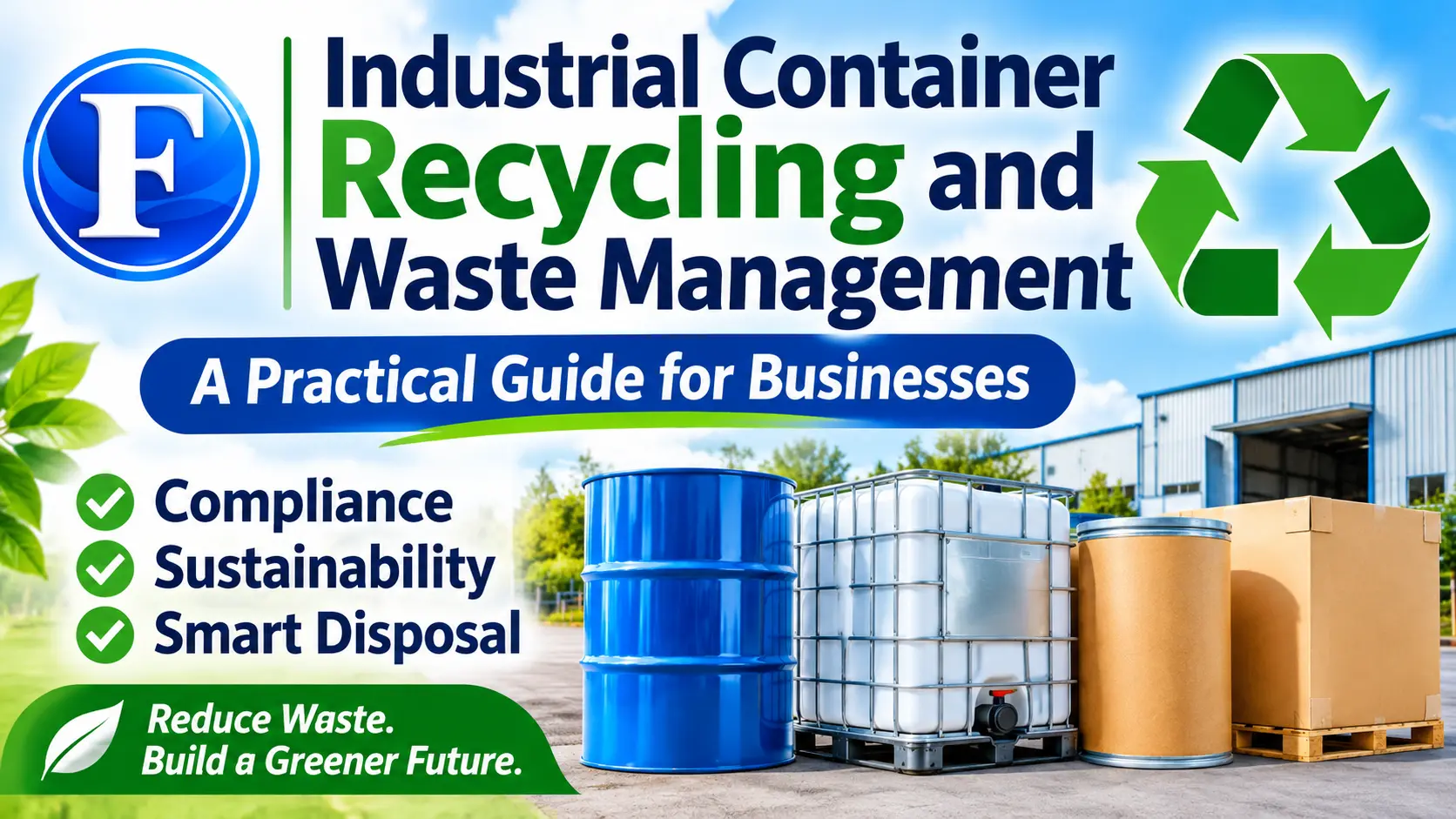
Manufacturing facilities, chemical processors, warehouses, and distribution centers regularly need to manage industrial containers after their contents have been used. Proper handling is important for workplace safety, environmental responsibility, and regulatory compliance. Companies such as Kelly Drums specialize in the pickup, recycling, reconditioning, and destruction of steel, poly, and fiber drums, IBC totes, and Gaylord boxes. Serving industrial clients across the Mid-Atlantic region, they help businesses manage containers responsibly, handle hazardous materials appropriately, and support more sustainable disposal practices.
Why Industrial Container Management Matters
Used industrial containers are not always completely free of their original contents. Drums, totes, and bulk containers may retain residues from solvents, coatings, lubricants, adhesives, chemicals, or other materials. Depending on their contents and condition, these containers may require specific handling, storage, transportation, and disposal procedures.
Poor container management can create unnecessary workplace risks, increase disposal costs, and complicate environmental compliance. Improper storage, inadequate handling, or choosing an unsuitable disposal method may expose businesses to potential environmental and operational liabilities.
A well-organized container management program helps facilities identify appropriate reuse, recycling, and disposal options while reducing unnecessary waste and improving site organization.
Common Industrial Containers and Their Recycling Options
Different industrial containers require different approaches to reuse, recycling, or disposal. Their condition, construction materials, and previous contents help determine the most suitable option.
Steel drums: Steel drums are widely used for transporting and storing industrial liquids and materials. Many can be inspected, cleaned, repaired, and reconditioned for additional use. Containers that cannot be safely reused may be directed toward appropriate metal recycling processes.
Poly drums: Plastic drums are commonly used for chemicals, liquids, and other industrial products. Depending on the material, condition, and previous contents, they may be suitable for reconditioning or plastic recycling through appropriate processing methods.
Fiber drums: Fiber drums are frequently used for powders, dry products, and other materials. Their recycling options depend on their construction and contamination status. Some may be suitable for fiber recovery, while others require different disposal methods.
IBC totes: Intermediate Bulk Containers (IBCs) are designed to store and transport larger quantities of liquids. Reconditioning may provide an economical option for totes that meet applicable inspection and safety requirements.
Gaylord boxes: These large corrugated containers are commonly used for bulk storage, handling, and shipping. When uncontaminated and in suitable condition, they may be reused or recycled through appropriate cardboard recovery programs.
Reconditioning, Recycling, or Destruction: How to Choose
Industrial container management typically involves evaluating whether a container can be reused, recycled, or needs to be permanently removed from circulation.
- Reconditioning: Cleaning, inspecting, repairing, and restoring suitable containers can extend their useful life. Reconditioning may reduce the need to purchase new containers and help conserve manufacturing resources.
- Recycling: When containers cannot be reused, recycling may recover materials such as steel, plastic, or fiber for use in other manufacturing processes, depending on the material and processing requirements.
- Destruction: Containers that are unsuitable for reuse or require irreversible disposal may need to be destroyed through appropriate processing methods. Destruction can also help prevent unsuitable containers from being reused or returned to circulation.
An effective program considers container condition, previous contents, applicable requirements, and available processing options before determining the appropriate handling method.
Regulatory Compliance and Responsible Waste Management
Industrial container handling may involve environmental regulations, transportation requirements, workplace safety rules, and state-specific obligations. The Resource Conservation and Recovery Act (RCRA), applicable Department of Transportation requirements, and relevant state regulations may affect how certain containers and residues are managed.
However, regulatory obligations vary based on the materials involved, the container’s condition, the generator’s circumstances, and applicable exemptions or requirements. Businesses should consult their environmental compliance professionals to determine the rules relevant to their operations.
A responsible container management service can help facilities organize their disposal programs through:
- Scheduled or on-demand container pickups
- Appropriate handling and transportation practices
- Container sorting and evaluation
- Recycling, reconditioning, or destruction options
- Records and reporting related to collected materials and processing activities
Maintaining appropriate documentation can help businesses track waste management activities, support internal procedures, and prepare for relevant inspections or audits.
How Industrial Container Recycling Supports Sustainability
Reusing and recycling industrial packaging can help businesses reduce material waste and improve resource efficiency. Reconditioning suitable drums and totes extends their service life, potentially reducing demand for newly manufactured containers.
Recycling recoverable steel, plastic, and cardboard also helps divert materials from disposal streams when appropriate recycling facilities and processes are available.
Businesses with environmental objectives may benefit from tracking container reuse, recycling, and disposal activities. Such records can help assess waste reduction efforts and provide useful information for internal sustainability reporting.
In addition to managing used containers, businesses may consider purchasing reconditioned packaging when appropriate. Reconditioned steel drums and other industrial barrels may offer a practical alternative to new containers for certain applications, subject to product specifications and the requirements of the intended use.
The Importance of Proper Storage and Shipping Equipment
Safe container management also involves the equipment used to store, move, and transport industrial packaging. Suitable pallets and handling equipment help businesses organize containers, support stable storage, and facilitate forklift operations.
Using appropriate Industrial Pallets for Drum Storage & Shipping can help facilities organize drums during storage and transportation. Selecting pallets suitable for the container type, load, and handling conditions is important for maintaining stability and reducing the risk of damage during movement.
Well-organized storage areas can also make container collection easier, improve operational efficiency, and help facilities maintain cleaner, more manageable workspaces.
What to Consider When Choosing an Industrial Container Recycling Provider
Choosing a suitable recycling or waste management provider requires more than comparing pickup prices. Businesses should evaluate the provider’s services, capabilities, and suitability for their specific container management needs.
Consider the following factors:
- Service coverage: Confirm that the provider serves your location and can accommodate your collection requirements.
- Container types: Determine whether the provider handles steel, poly, and fiber drums, IBC totes, and Gaylord boxes.
- Available processing options: Ask whether containers can be reconditioned, recycled, or destroyed based on their condition and previous contents.
- Documentation: Confirm what collection, processing, or recycling records are available.
- Scheduling flexibility: Consider whether the provider offers recurring collection programs, one-time pickups, or services suited to your facility’s needs.
- Environmental practices: Understand how collected containers and any associated residues are managed and whether the provider can explain its applicable processing procedures.
Evaluating these factors can help businesses select a provider that aligns with their operational requirements, environmental objectives, and compliance responsibilities.
Conclusion
Industrial container recycling and waste management are important parts of responsible facility operations. Properly evaluating used drums, IBC totes, fiber containers, plastic packaging, and bulk boxes can help businesses identify opportunities for reuse, recycling, and appropriate disposal.
By establishing a structured container management program and working with experienced service providers, businesses can improve organization, support environmental responsibility, and manage their industrial packaging more efficiently. A practical approach that considers container condition, regulatory requirements, documentation, and available recycling options can help make industrial waste management a more manageable part of everyday operations.